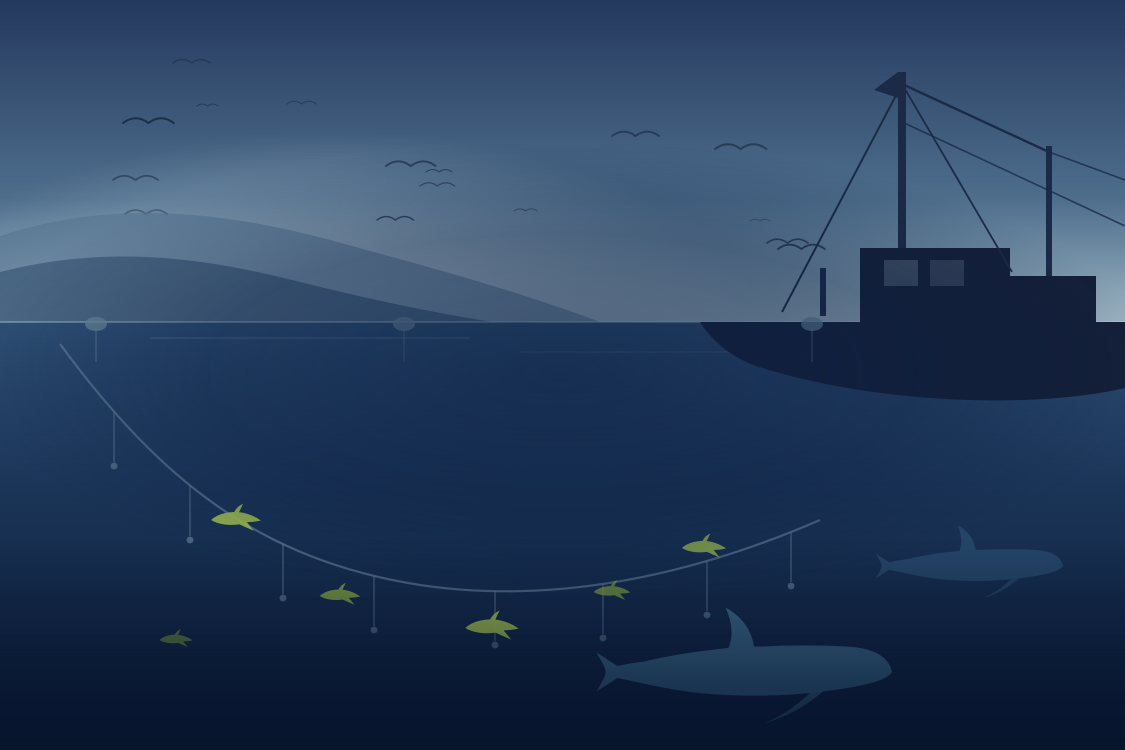
Fishery Management of the future has a Data Problem
Fished in more than 70 countries. Tuna contribute a staggering
$40 billion
annually to the global economy. 7 of the 14 species of tuna have commercial significance but are vulnerable to unsustainable fishing practices.
$$$
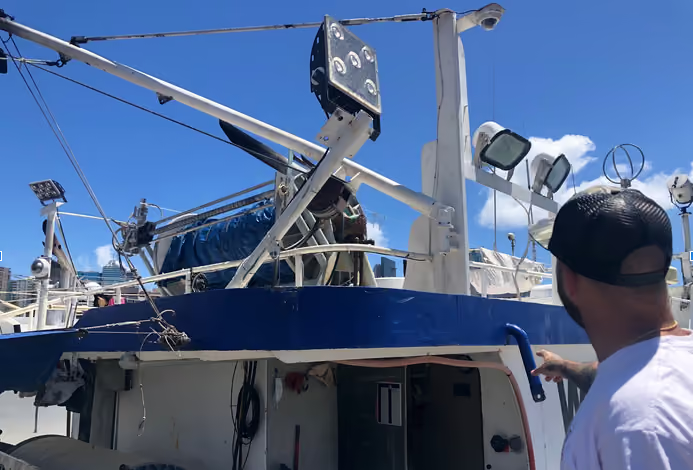
Electronic Monitoring (camera and sensor systems onboard commercial fishing vessels) is an effective tool to support fishery management, but requires tedious and costly manual video review.
400,000+
Vessels with monitoring needs worldwide would generate upwards of 10,000,000 hours of video per year according to current growth forecasts.
Fishery Management of the Future Has an AI Opportunity
AI in Commercial Fishing
AI in commercial fishing can streamline human review by automatically identifying and categorizing events of interest, saving valuable human reviewer time for results interpretation and atypical events.
AI-assisted electronic monitoring video review can automatically detect and classify objects reducing reviewer effort to simply confirming automated annotations and object counts
CatchVision
AI-assisted electronic monitoring video review can automatically detect and classify objects reducing reviewer effort to simply confirming automated annotations and object counts
CatchVision Software
AI-assisted electronic monitoring video review can automatically detect and classify objects reducing reviewer effort to simply confirming automated annotations and object counts.
Ai.Fish API
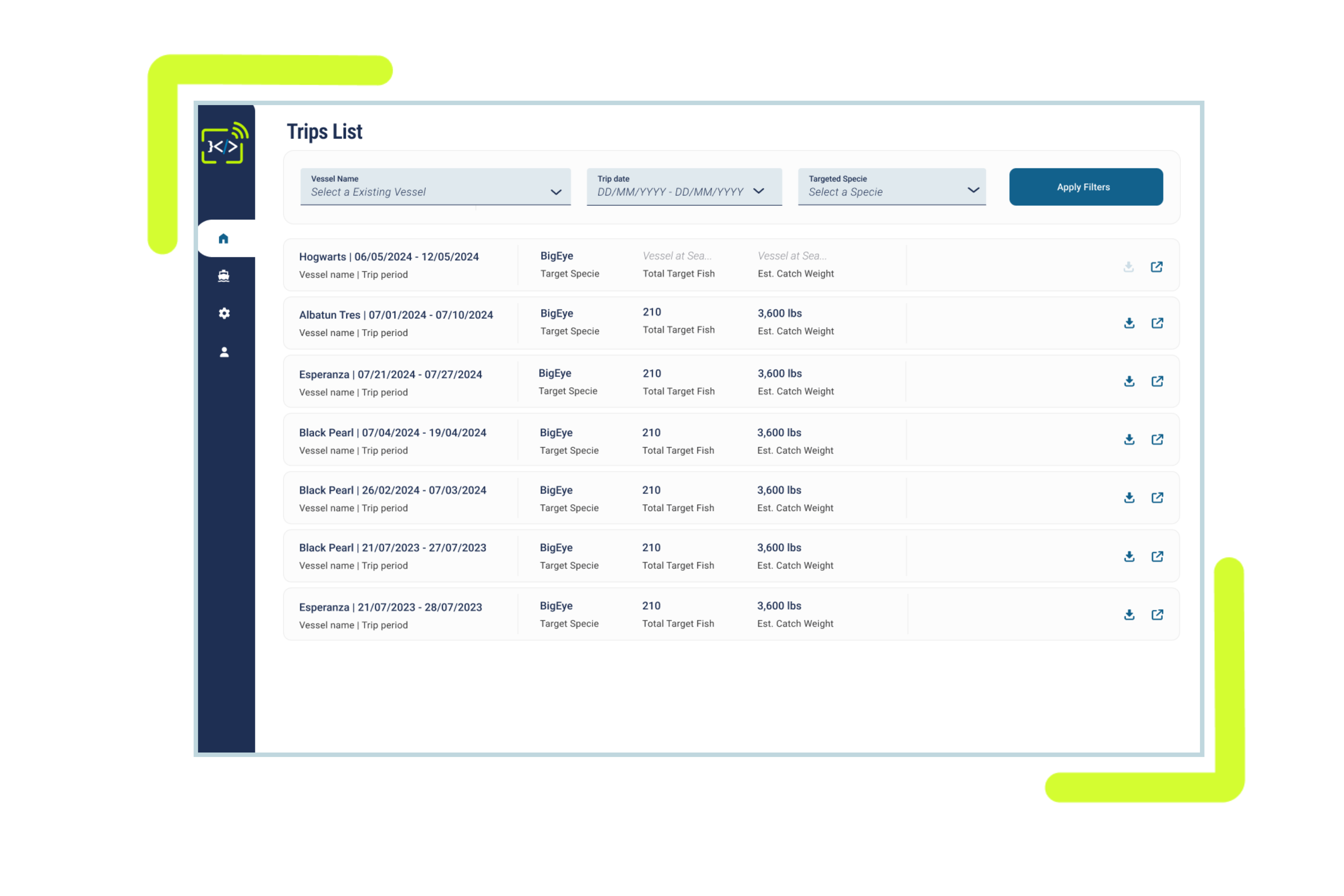
Ai.Fish offers three products supporting reduced costs and efficiency in electronic monitoring implementations. Companies with review software and electronic monitoring equipment can integrate to our API to access automated annotation powered by computer vision analysis of video footage.
Tuna Insights Software
Onboard AI for commercial tuna vessels. Every set becomes a catch record.
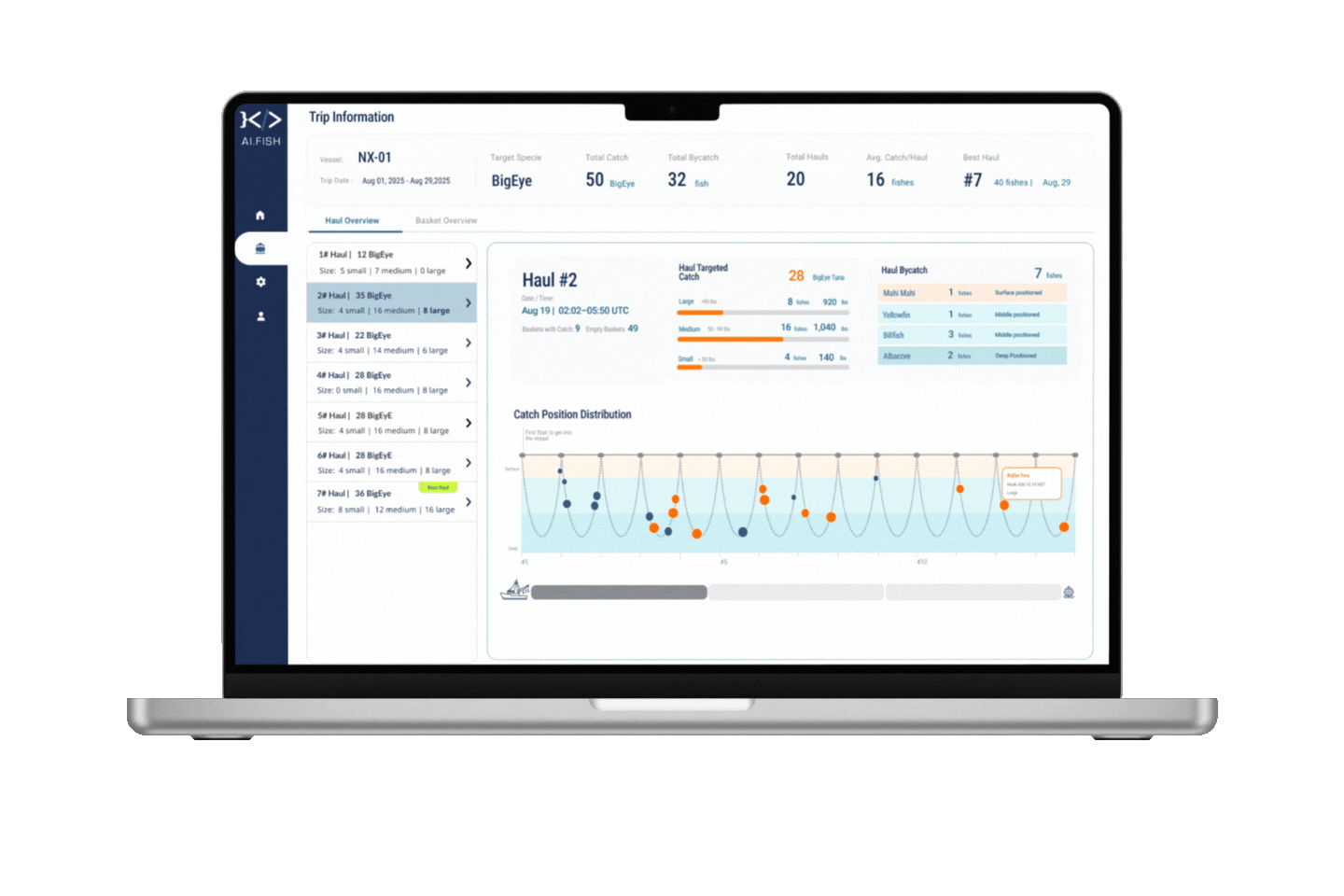
Every haul in the trip, listed as it happens, with the catch broken down by size class. Targeted catch and bycatch stay separate, and the totals build while the boat is still fishing.
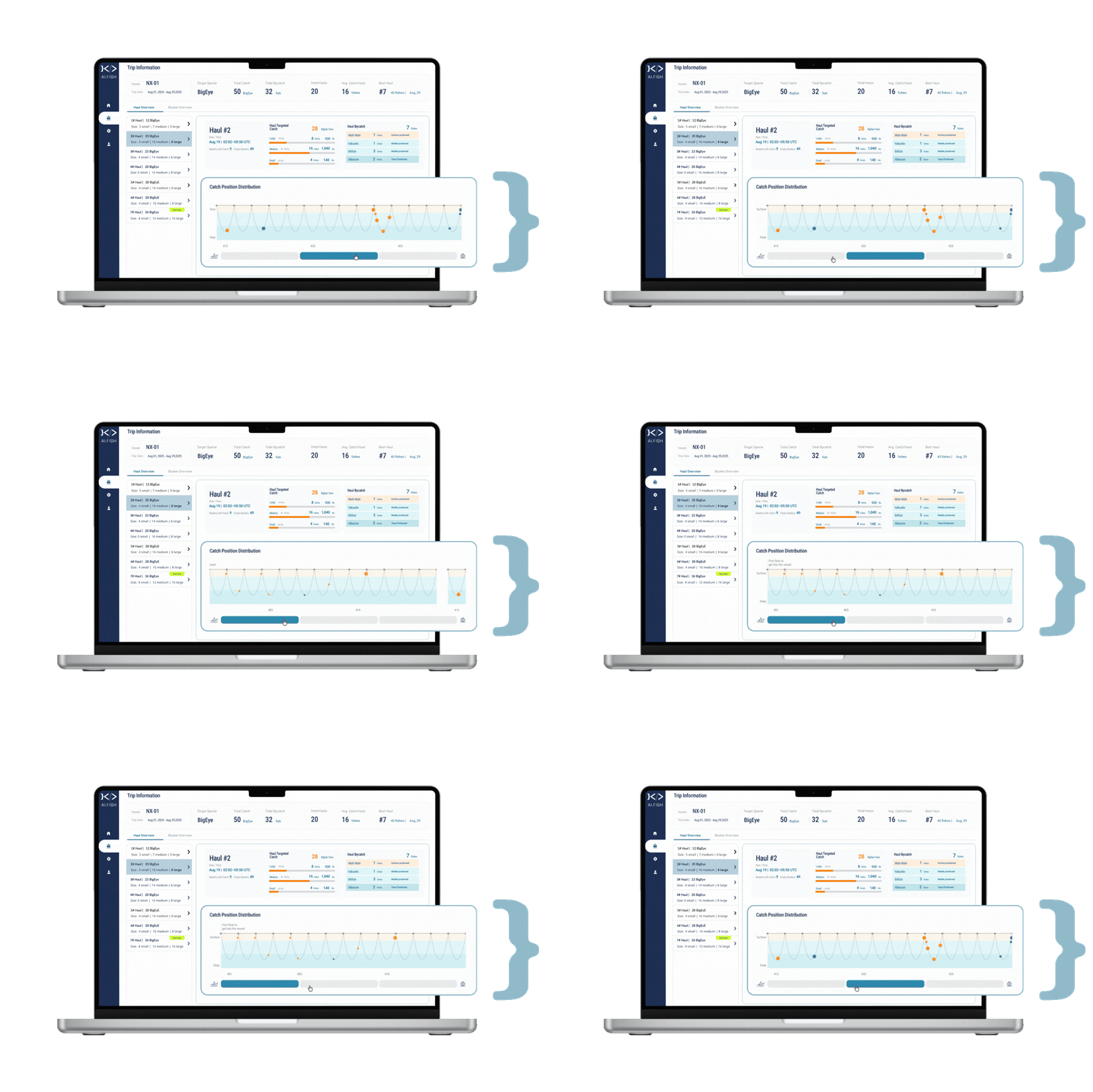
Where the catch actually sat on the gear. Which stretch of line produced and which did not, and how deep the fish were running. Depth and distance are two different answers, and both are on the chart.
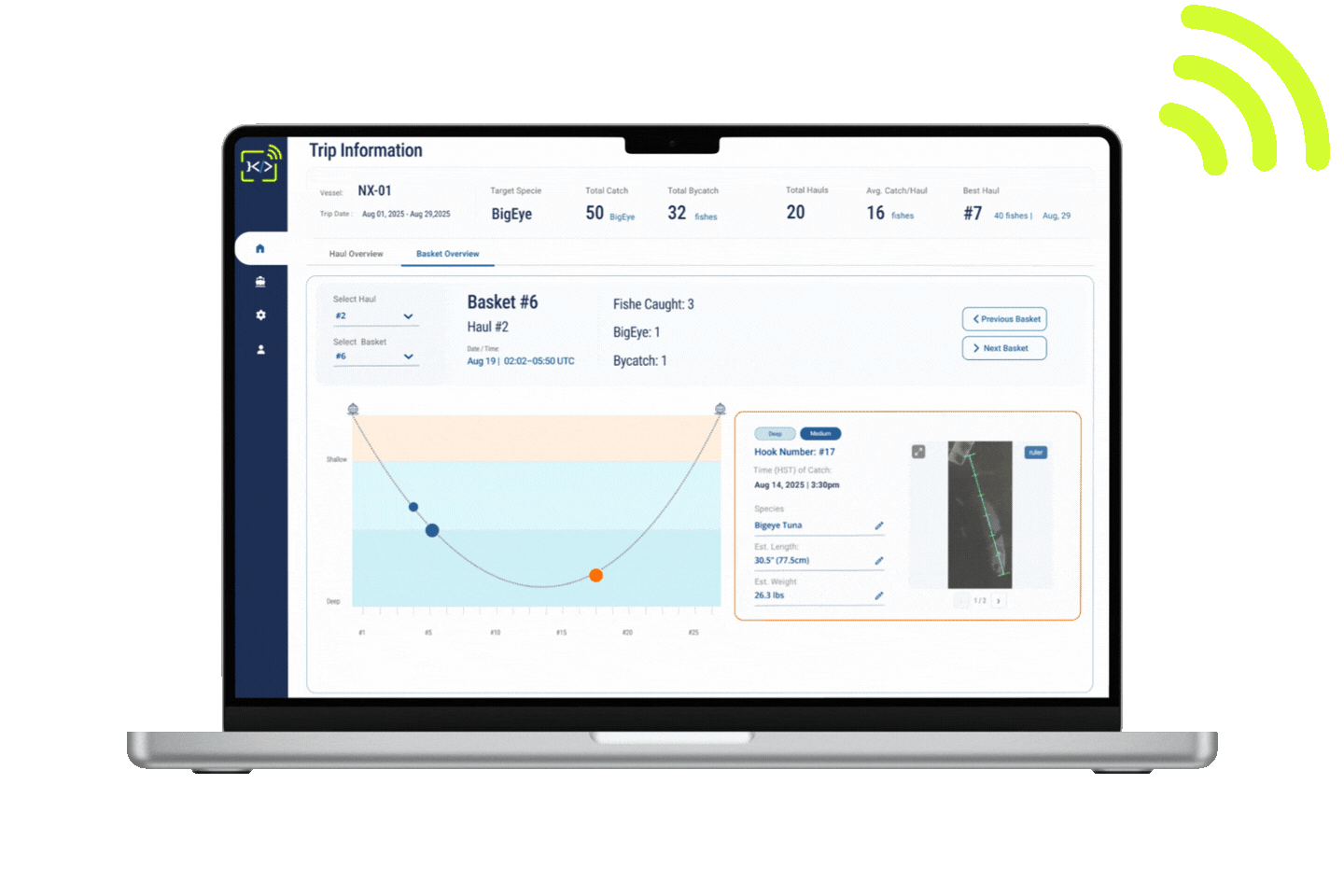
Open any basket and every fish arrives with the photo it was identified from. Species and length are estimated off that image, and the captain can correct either one while the fish is still on deck.